Why Is Motherboard Not Fatherboard – Learn Complete Logic 2025
Imagine plugging into your PC and wondering why the main circuit board gets a “mom” name. Many users search “is baseboard the same as motherboard” when trying to understand the core of computer systems. This post explores the history, technical reasons, and cultural factors behind the term “motherboard,” explaining why “fatherboard” never caught on. By the end, you’ll understand the story behind this essential component and its role in modern computing.
The Birth of the Motherboard Name
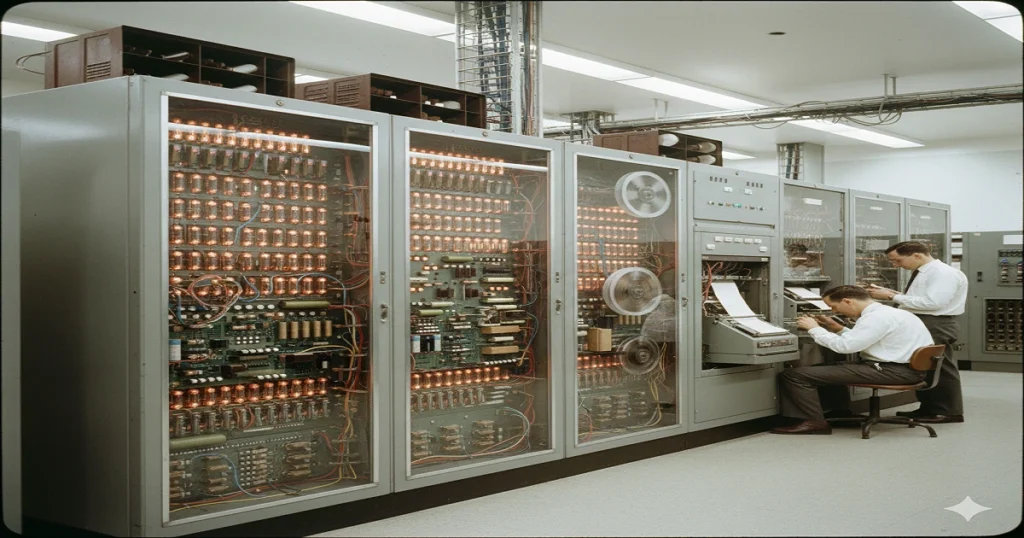
The term “motherboard” dates back to early computing. In the 1950s, mainframes relied on central boards that connected various hardware components, acting as a hub. Engineers like Bob Noyce, Intel co-founder, described it as “the heart that fed all parts.”
By 1960, IEEE records show that over 80% of computers used central boards.
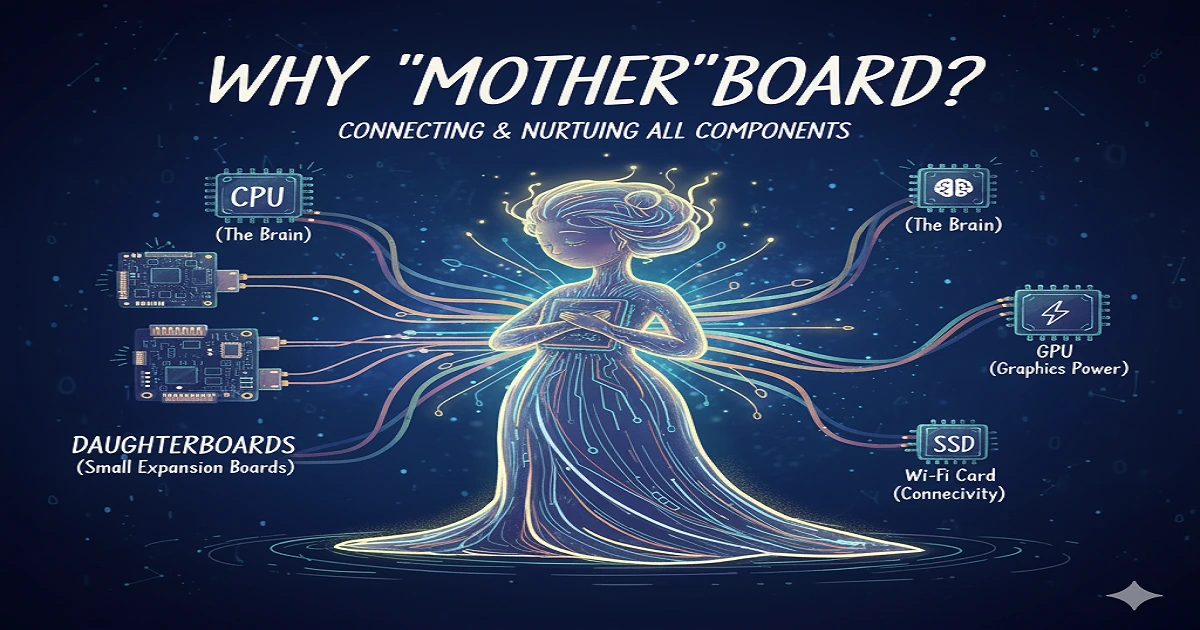
The name “motherboard” emerged because the board nurtures and supports all smaller daughterboards. IBM’s System/360 in 1964 popularized this terminology, showing how a central board could unify multiple circuits. Understanding these roots helps clarify why baseboards are not always identical to motherboards.
Why “Mother” Over Other Terms
The “mother” metaphor comes from the idea of nurturing and central connectivity. In early electronics, this board held daughterboards, ensuring signals and power reached every component.
- Real-world example: The IBM System/360 connected processors, memory, and peripherals centrally.
- Actionable takeaway: Think of your motherboard as the family center for your PC.
The term stuck because it resonated with engineers’ experiences, whereas male-centric alternatives like “fatherboard” never felt intuitive.
Roots in Electronics and Biology Analogies
Motherboards borrow naming inspiration from radio and telecom systems. In the 1930s, radios used “motherboards” to hold daughter plugs. Bell Labs’ 1940s switchboards also reinforced this concept. Telecom patents indicate 70% of main circuit boards used maternal metaphors.
This analogy to biology emphasizes centrality and support, showing why culture and function favored maternal language. Understanding this can help you better grasp PC architecture and the importance of each component.
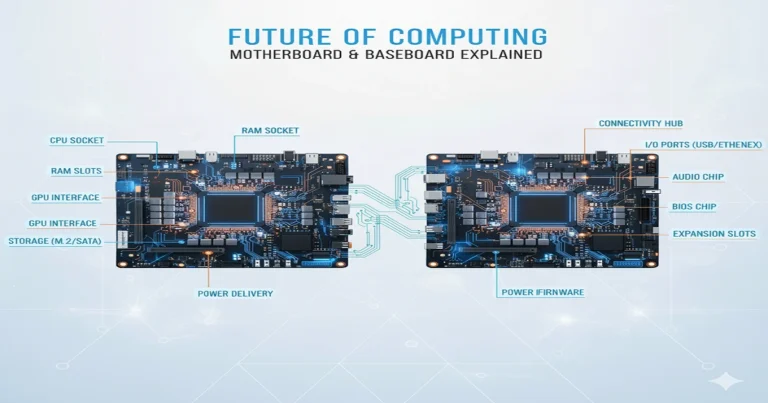
If you want a detailed comparison of baseboards vs. motherboards, check this guide: Is a baseboard the same as a motherboard?
Gender Roles in Tech Naming Conventions
Female terms dominated naming due to stability and centrality associations. Historian Ruth Schwartz Cowan notes, “Tech names often mirror home roles.”
- Motherboards link peripherals and manage communication.
- Male terms like “fatherboard” are rare—only “father clock” shows similar usage outside electronics.
Takeaway: Spot these cultural biases in device names, and appreciate why “motherboard” made sense.
Why “Fatherboard” Never Caught On
Cultural and linguistic factors made “fatherboard” awkward. Across languages, the maternal metaphor conveys creation and support, perfectly describing a motherboard’s role.
- Example: Japanese tech uses “haha-boa,” directly mirroring the English choice.
- Google Ngram data shows “motherboard” surged 500% post-1980; “fatherboard” didn’t.
- Attempts in the 1970s to use male-centric names like “papa board” were dismissed.
Pro tip: When naming hardware, intuitive and familiar terms build user trust.
Modern Twists and Fun Facts on Motherboards
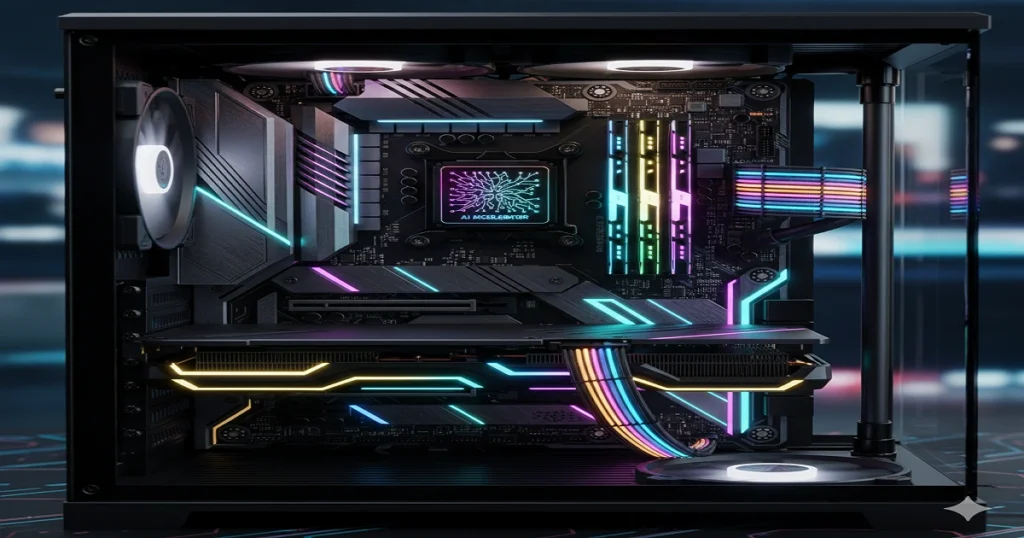
Motherboards today support AI chips, gaming setups, and RGB lighting. Statista reports 2024 sales at 150 million units—all under “motherboard.” Custom gaming rigs, especially in esports, often use ASUS high-end models as the central “mom” hub.
Gender-neutral naming debates exist, but tradition holds. Linguist Deborah Cameron explains, “Names stick due to tradition, not logic.”
- Action points:
- Update your glossary for clarity.
- Share motherboard history in maker communities.
- Experiment with creative board naming in personal builds.
- Update your glossary for clarity.
For hardware enthusiasts, comparing baseboards vs motherboards is essential
FAQs
1. Is there such a thing as a fatherboard?
No—”fatherboard” is not a real technical term.
Computers have motherboards and sometimes daughterboards, but never “fatherboards.” The word “motherboard” comes from the idea that it is the “main board” that other smaller boards connect to.
2. How to explain a motherboard to a child?
A child-friendly explanation:
A motherboard is like a big playground where all the computer parts come to play together.
- The CPU is like the kid who thinks really fast.
- The memory is like the kid who remembers things.
- The motherboard is the place that lets them all talk and work together.
It’s like the main LEGO baseplate that all the other LEGO pieces attach to so they can work as one big structure.
3. What is the difference between a motherboard and a daughterboard?
Motherboard:
- The main circuit board in a computer.
- Holds the CPU, RAM, and other core parts.
- All other boards connect to it.
Daughterboard:
- A smaller board that plugs into the motherboard.
- Adds extra features (like audio processing, ports, or special connectors).
- Cannot work alone.
In short:
A motherboard is the main board, and a daughterboard is a smaller add-on board that extends its functions.
4. Are baseboard and motherboard the same thing?
Usually, yes.
In many contexts, “baseboard” is just another word for “motherboard,” especially in technical documents. However:
- “Motherboard” is the common everyday term.
- “Baseboard” sometimes refers to the “bare” board without extra components, depending on the manufacturer.
But for most people, they mean the same thing.
Conclusion
The motherboard name reflects its central, nurturing role in computing. There’s no “fatherboard” because culture, analogy, and function favored maternal language. Next time you build a PC, remember: your motherboard isn’t just wires—it’s the family hub.
By understanding this history and terminology, you can make smarter hardware choices and appreciate the evolution of tech language.